Smart Cookie Girl: A Real-World Applique Review
First Impressions: Sweet, Smart, and Ready for School
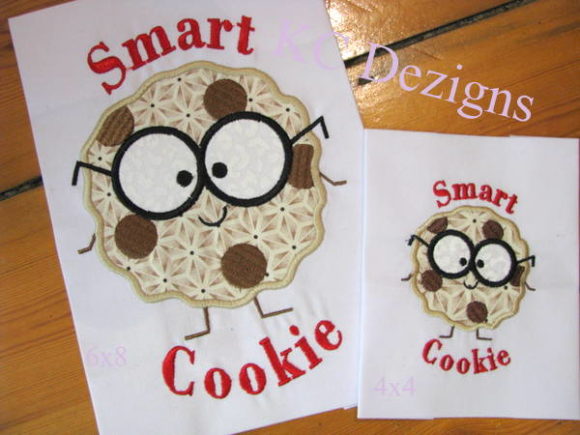
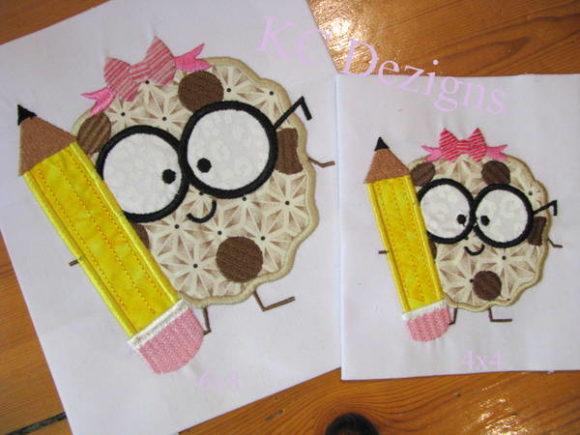
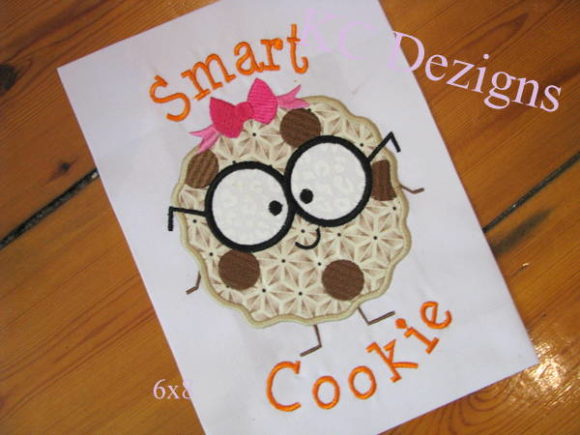
When I opened the Smart Cookie Girl embroidery file, I didn’t see just another back-to-school motif—I saw a confident little character with personality. Her pose is relaxed but purposeful, her expression friendly without being cutesy, and her overall shape reads clearly even at small sizes. As a machine applique design, it leans into bold outlines and intentional negative space rather than fussy detail—exactly what you want when stitching on real fabric, not just screen previews. It feels like a design made *for* makers, not just marketed to them.
How It Actually Stitches: From Hoop to Handmade Product
I tested Smart Cookie Girl on three real projects: a cotton tote bag for a local teacher boutique, a soft fleece baby onesie, and a twill apron for a small-batch kitchen goods shop. On the tote, the applique held crisp edges thanks to clean satin stitch borders and thoughtful fill stitch distribution—no puckering, no thread nesting. On the onesie, I used lightweight tear-away stabilizer and reduced top tension slightly; the result was soft, flexible, and wash-safe after two gentle cycles. The apron took medium cutaway stabilizer, and the design’s balanced proportions kept it from looking top-heavy or cramped.
This isn’t a design that shouts—it invites. That matters when you’re building trust with customers. A parent buying a personalized backpack tag or an Etsy buyer ordering a custom sweatshirt wants charm *and* craftsmanship. Smart Cookie Girl delivers both because its layout leaves breathing room around key features: the cookie, the glasses, the slight tilt of her head. No tiny floating elements. No over-stitched hair strands that vanish on textured fabric.
Where It Shines—and Where to Pause
Smart Cookie Girl works beautifully on custom apparel (especially crewneck sweatshirts and relaxed-fit tees), embroidered patches, pillow covers, and kitchen towels. Its moderate scale makes it ideal for center-chest placements, left-chest logos, or as a focal point on a lined tote. It also translates well to printable mockups—its clean silhouette holds up in black-and-white previews, which helps buyers visualize before purchase.
That said, I’d avoid using it on highly curved surfaces like structured caps without first testing hoop placement and fabric stretch. The applique’s lower edge sits close to the waistline of her dress—if stitched too low on a knit cap, distortion can blur the outline. Similarly, on dark fabrics, I recommend checking thread color contrast *before* hooping: light-colored satin stitches pop best against deep backgrounds, but some pastel threads may need a white underlay layer for clarity. And while the design avoids ultra-fine details, the small “smart” text beneath her name benefits from careful digitizing—verify that running stitch definition holds up on thin cotton or linen tea towels.
Design Notes You’ll Actually Use
- Always test on scrap fabric first—especially if pairing with textured weaves like canvas or terry cloth.
- Match stabilizer to fabric weight: lightweight tear-away for baby clothes, medium cutaway for tote bags and aprons, and fusible + tear-away combo for stretchy knits.
- Review stitch density before scaling—applique designs can become overly dense if enlarged beyond recommended size, leading to stiffness or skipped stitches.
- Confirm hoop size compatibility before committing to a project layout. Some versions of this design may require a 5x7" hoop minimum.
- Check licensing terms before selling finished products or bundling the digital embroidery file with other design assets.
- Use black-and-white mockups to assess visual balance—this reveals whether the applique reads as cohesive or fragmented at a glance.
Why It Fits Real Craft Businesses—Not Just Hobby Bins
As someone who’s helped launch three small embroidery-based shops, I look for designs that do double duty: they must delight the end customer *and* streamline production. Smart Cookie Girl does both. Its consistent stitch order minimizes thread trims, and the applique layers nest cleanly—no awkward jump stitches across open areas. That means faster turnaround for custom orders and fewer re-hooping delays during batch runs.
For Etsy sellers and craft fair vendors, it’s a smart inventory builder: pair it with neutral-toned blanks (cream totes, heather grey sweatshirts, oatmeal tea towels) and offer optional thread upgrades—navy for teachers, mint for nurseries, gold for graduation gifts. It doesn’t scream “back-to-school” in a dated way; instead, it whispers “thoughtful,” “capable,” and “handmade with care.” That nuance builds brand consistency and encourages repeat buyers.
A Final Thought: Design Integrity Over Trend Chasing
In a market flooded with seasonal embroidery files, Smart Cookie Girl stands out not because it’s flashy—but because it’s *resolved*. Every curve has intention. Every stitch serves legibility or texture. It doesn’t rely on glitter or excessive density to impress. That kind of restraint is rare—and valuable—whether you’re embroidering a baby’s first backpack tag or branding a boutique’s line of teacher appreciation gifts.
If you’re evaluating this design for your next round of custom apparel, holiday embroidery, or small shop merchandise, ask yourself: Does it feel like something your customer would proudly carry, wear, or gift? Does it hold up under scrutiny—not just in the hoop, but on the shelf, in photos, and after washing? With Smart Cookie Girl, the answer is yes. It’s not just a machine embroidery design. It’s a quiet promise of quality—stitched, stabilized, and ready for real life.